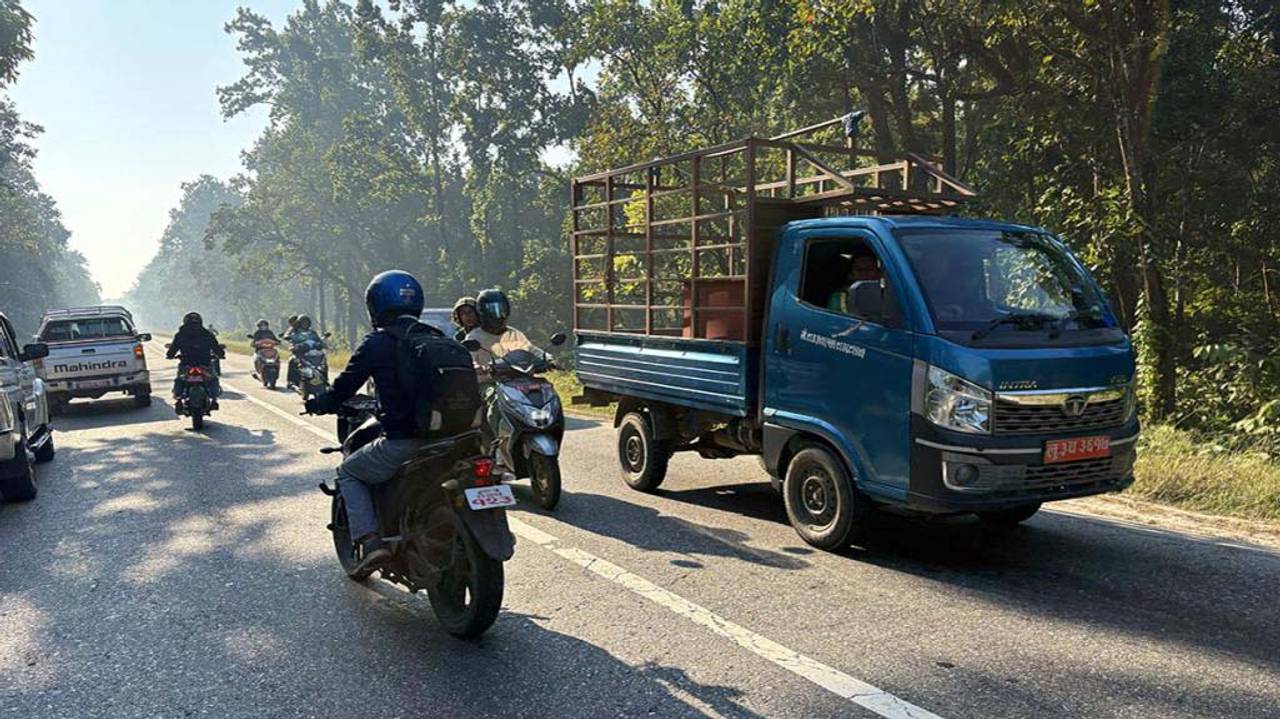
The Asian Development Bank (ADB) has approved US$305.75 million in financing to modernise critical sections of Nepal’s East–West Highway and Prithvi Highway, improving connectivity, regional trade, road safety, and resilience to disasters and a changing climate, while protecting wildlife habitats.
“The project will revitalise one of Nepal’s most important transport corridors, improving connectivity for people, businesses and tourism while helping restore wildlife corridors,” said ADB country director for Nepal, Arnaud Cauchois. “By combining resilient infrastructure with wildlife-friendly design, the project shows how transport investments can improve connectivity, support biodiversity conservation, and promote sustainable development and inclusive economic growth.”
The SASEC Highway Improvement and Ecosystem Restoration Project will rehabilitate approximately 70 km of the East–West Highway between Narayanghat and Hetauda, expanding it from two to four lanes. It will also construct an elevated highway section across the Barandabhar wildlife corridor, which will help restore critical wildlife movement routes between protected ecosystems in the Terai Arc Landscape and reduce vehicle-wildlife collisions.
In addition, ADB will support the expansion of the remaining 8.7-km Mugling–Abukhaireni section of the Prithvi Highway to four lanes, including the construction of new road sections and bridges. The improvements will enhance travel efficiency and safety along one of Nepal’s busiest transport routes, linking Kathmandu with Pokhara.
The grant will support biodiversity conservation measures and wildlife connectivity infrastructure, as well as sustainable tourism investments in the Chitwan area. It will also strengthen road safety, create livelihood opportunities for women through training programmes, and build institutional capacity in sustainable transport planning.
According to ADB, the project incorporates resilient engineering measures to reduce risks from floods and landslides, including improved drainage systems, strengthened embankments, slope stabilisation works and resilient bridge designs. These investments will help ensure reliable transport connectivity amid increasing natural hazard and disaster risks.
Image: ADB